
Electric Scooter Buying Guide: What to Look For in 2026

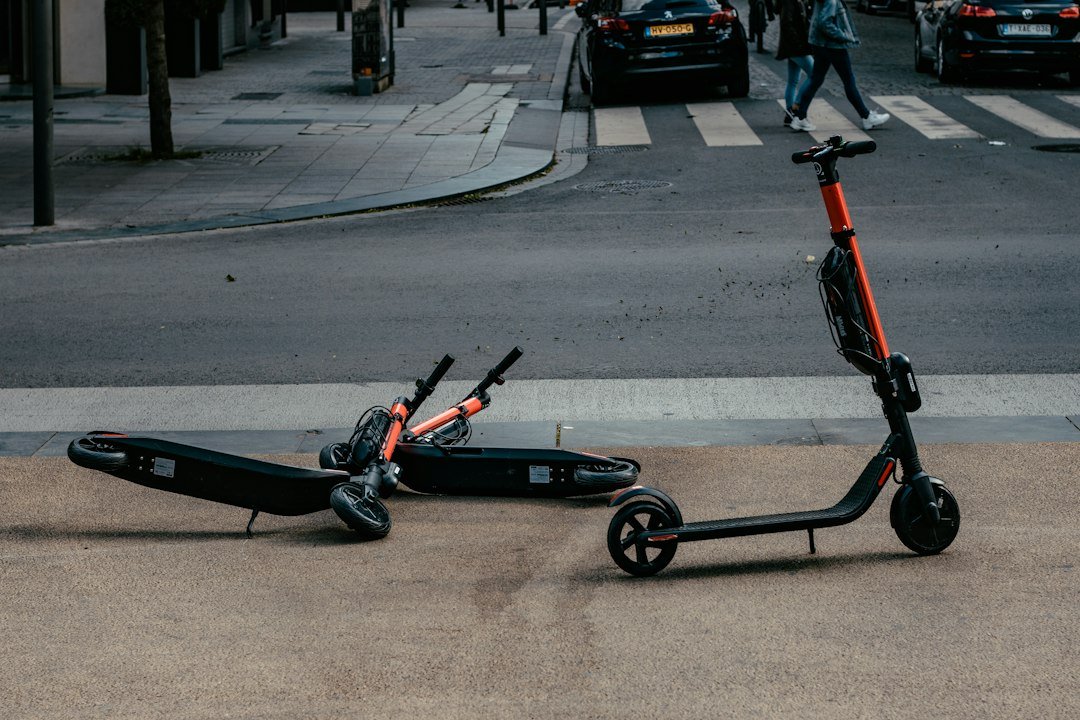
Buying an e-scooter in Australia without getting it wrong
An electric scooter is one of those purchases where the spec sheet tells you less than you think. Big numbers sell scooters – massive wattage, huge top speeds, giant battery figures. But in Australia, the biggest number often makes a scooter less useful, because it pushes the device outside the legal definitions most states use.
This guide covers what genuinely matters when comparing scooters in 2026, so your money goes toward something you will actually ride every week.
Browse our electric scooters collection to compare current commuter and folding options.
1. Power first – stay inside the legal ceiling
Australia’s states mostly anchor e-scooter rules around a 250-watt motor standard. Buy above that and several states classify your ride as an unregistered motor vehicle – fines, seizure risk and voided insurance follow.
The smart play is headroom below the ceiling. A 130W commuter scooter topping out at 16 km/h sits comfortably inside every state definition while still delivering practical real-world commuting speed. Legal everywhere compliant riding exists beats technically impressive and confiscated.
2. Range – trust patterns, not promises
Manufacturers quote range under ideal conditions: light rider, flat ground, moderate speed, fresh battery. Real world? Expect roughly 60-70% of the claim once hills, wind and stop-start riding enter the picture.
Better questions than “how far does it go”:
- Does my daily round trip fit at two-thirds of claimed range?
- How long does a full charge take? Overnight on a normal power point is what you want.
- Is the battery removable? Charging indoors beats dragging the whole scooter to a power point.
3. Weight decides whether you actually use it
The best scooter is the one you take with you. Anything over roughly 15 kg starts feeling like luggage on stairs, train platforms and office lifts. Folding mechanisms matter too – check how quickly it collapses and whether it locks solidly for carrying.
4. Brakes and tyres are safety, not specs
- Dual braking (electric plus mechanical) stops far shorter than motor-braking alone.
- Tyre type: pneumatic (air-filled) tyres absorb bumps and grip wet surfaces better; solid tyres never puncture but transmit every crack to your wrists. City commuting favours air-filled; zero-maintenance priorities justify solids.
- Lights built in – front white and rear red are required after dark nearly everywhere, so integrated lighting means no clip-on extras to forget.
5. Match the scooter to your actual commute
| Your commute | What to prioritise |
|---|---|
| Short flat trips under 5 km | Light weight and folding ease beat everything else |
| Mixed path riding 5-15 km | Battery size, dual brakes, comfortable deck height |
| Hilly suburbs | Be realistic – small motors slow dramatically uphill; check torque not just top speed |
| Train plus scooter mix | Folded footprint, carry weight, quick-fold latch quality |
Browse our current electric scooters collection, all shipped Australia-wide with transit times stated upfront.
6. Australian Consumer Law has your back
Whatever you buy from an Australian store, ACL guarantees apply: products must be of acceptable quality and match their description. Buy from sellers who clearly state shipping times and return processes – transparency upfront is the cheapest signal of how a business treats problems later.
Frequently asked questions
Are cheap electric scooters any good?
Under $300, well-chosen models handle short commutes admirably. Trade-offs concentrate in hill climbing and range rather than build quality. Match expectations to distance and terrain and budget models deliver genuine value.
What speed should a commuter scooter do?
For legal riding across Australian states, 16-25 km/h covers it. Higher speeds add danger and legality problems without meaningfully improving urban commute times.
Do I need a licence for an electric scooter in Australia?
In states where compliant e-scooters are legal, no licence or registration is required provided the device stays within power and speed limits. Check our Australian electric scooter laws by state guide for the rules that apply where you ride.
How long do e-scooter batteries last?
Typically 300-500 full charge cycles before noticeable capacity loss – roughly two to three years of regular commuting. Storing batteries half-charged in cool conditions extends their life.
Where can I legally ride in NSW right now?
Private property only as of August 2026, shared hire trial zones aside. Read our complete guide to Australian e-scooter laws by state before riding anywhere public.